

8 Must-Have Shopping Template Ideas For 2026
E-commerce is experiencing exponential growth, and in 2026, choosing an innovative shopping template will be essential to stand out. Faced with competition, how can you offer a memorable and high-performing experience? This article reveals 8 essential shopping template ideas, designed to boost user experience and maximize your conversions. Discover the major trends, key selection criteria, and let yourself be inspired to give your store a head start. Ready to transform your digital storefront? Browse our recommendations to choose the ideal shopping template.
Major trends in shopping templates in 2026
The e-commerce landscape is evolving rapidly, and user expectations are transforming just as quickly. To remain competitive, it is crucial to adopt an innovative shopping template that aligns with the major trends of 2026. Let's explore the five essential areas to integrate to ensure an optimal user experience and maximize your conversions.
The rise of mobile-first and responsive design
In 2026, mobile browsing will be the norm in e-commerce. According to Mobile Commerce Statistics in 2026, over 75% of online purchases are made from a smartphone. Shopping templates that prioritize a mobile-first approach offer fluid navigation, touch-friendly buttons, and optimized images.
Recent examples include clean interfaces, simplified menus, and faster loading speeds on mobile. A responsive shopping template improves the conversion rate by reducing cart abandonment due to a poor smartphone experience.
The integration of artificial intelligence and personalization
AI is emerging as a major asset for shopping templates in 2026. Thanks to artificial intelligence, it is possible to integrate dynamic recommendations, responsive chatbots, and intelligent search engines. These features personalize the experience for each visitor.
Data shows that personalization can increase the average shopping cart value by 20%. Shopping templates integrating AI allow relevant products to be displayed in real time, strengthening customer engagement and loyalty. The automation of suggestions thus promotes a tailor-made shopping experience.
The importance of speed and technical performance
The technical performance of a shopping template is a decisive criterion. A loading time exceeding three seconds leads to a cart abandonment rate of nearly 50%. The most performing shopping templates adopt practices such as image optimization, lazy loading, and clean code.
Tools like Google PageSpeed Insights help identify areas for improvement. Opting for an ultra-fast shopping template maximizes conversions by providing a fluid experience, free from the frustration of waiting.
Immersive and experiential design
Immersive design transforms the shopping template into a true exploration space. In 2026, interactive visuals, integrated videos, 3D animations, and visual storytelling are increasingly present. These elements capture attention, foster engagement, and make the brand memorable.
A shopping template focused on immersion offers interactive galleries, animated product presentations, and consistent visual narration. This type of design increases time spent on the site and the likelihood of purchase, while differentiating the brand from the competition.
Accessibility and inclusion as standards
In 2026, accessibility becomes an indispensable standard for any shopping template. Legal obligations and consumer expectations require inclusive interfaces: high contrast, keyboard navigation, alternative text for images, and legible fonts.
An accessible shopping template allows reaching a wider audience, improves natural referencing, and reduces legal risks. Inclusive templates contribute to a better user experience for all, strengthening reputation and commercial performance.
8 Essential Shopping Template Ideas for 2026
Selecting an appropriate shopping template is now a strategic lever for any brand seeking to stand out in 2026. Faced with the increasing diversity of solutions, choosing the right shopping template guarantees an optimal user experience and high conversion rates. Discover below a selection of 8 free shopping templates, tested and approved, which embody the major trends in e-commerce, from mobile-first to the integration of 3D or AI. To delve deeper into inspiration and benchmarking, also explore the best Shopify themes for a broader view of graphic and functional possibilities.
Beige and Black Bold Vintage Local Market Flyer – Canva
This vintage design shopping template is aimed at local shops, artisans, or delicatessens wishing to infuse an authentic atmosphere into their online presence. The beige and black color scheme, combined with retro typography, instantly captures visitors' attention.
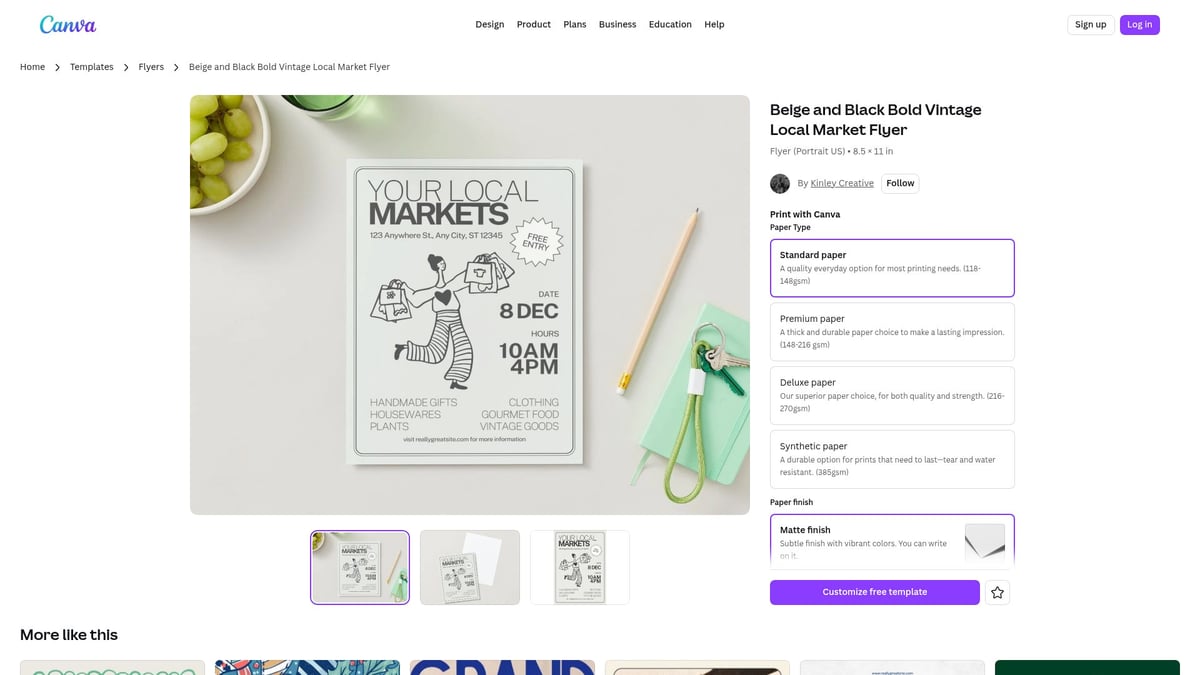
Key features include highlighting flagship products, a dedicated space for brand storytelling, and a section for customer reviews, essential for building trust. This shopping template promotes a simple, distraction-free user experience while emphasizing personalization.
Ideal for short catalogs, it stands out for its ease of use and strong visual impact. However, it will be less suitable for brands with a very large number of references. Its free use via Canva makes it accessible to all structures. Many independent creators use it to showcase their artisanal know-how and their story, thus strengthening customer loyalty.
Golden Modern Black Friday Facebook Post – Canva
Designed for event campaigns, this shopping template stands out for its premium aesthetic and effectiveness during key commercial periods such as Black Friday. Its gold and black palette conveys a high-end image, while the central call-to-action promotes immediate engagement.
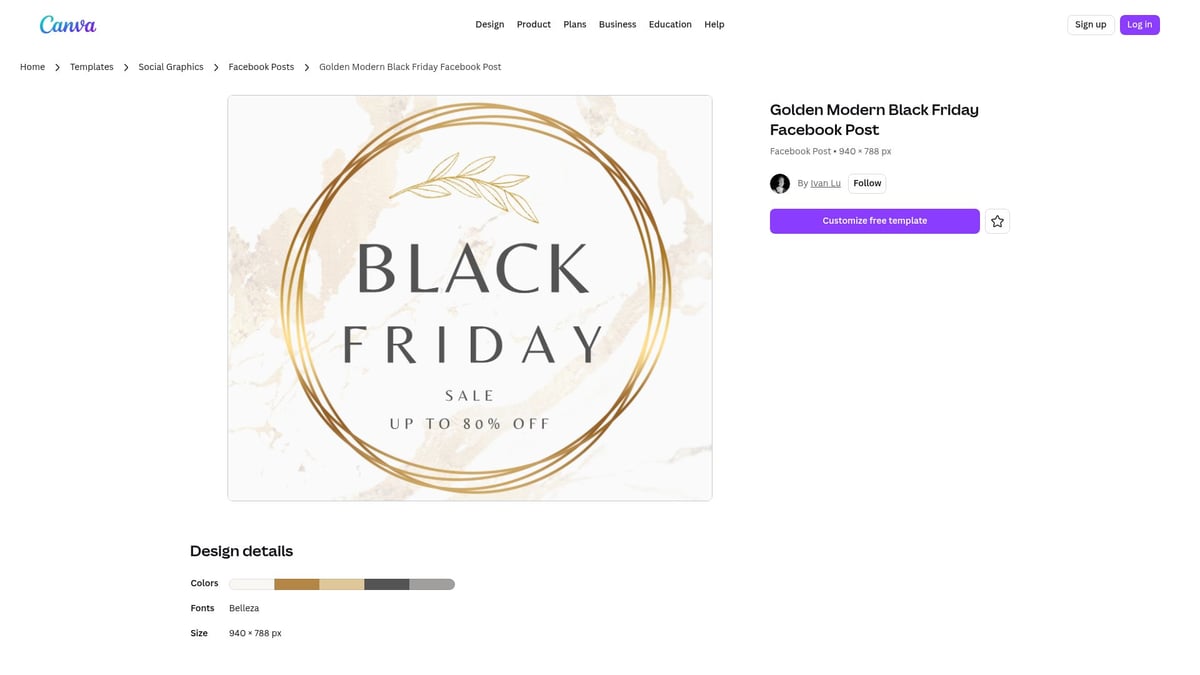
The shopping template is perfectly suited for social networks and seasonal promotions. It offers maximum adaptability to highlight flash sales, boost sales, and capture the attention of a mobile audience. Statistics show that event campaigns using a dedicated shopping template significantly increase conversion rates.
However, its use remains occasional and requires adaptation for permanent use. Its free availability on Canva and the speed of customization make it a valuable asset for dynamic e-merchants. Many brands use it to generate a traffic peak and boost their notoriety during major commercial events.
Blue Orange Minimalist Online Store Instagram Post – Canva
This minimalist shopping template appeals with its vibrant colors and airy layout. It prioritizes message clarity, a crucial element for capturing attention on Instagram where scrolling is fast and competition is intense.
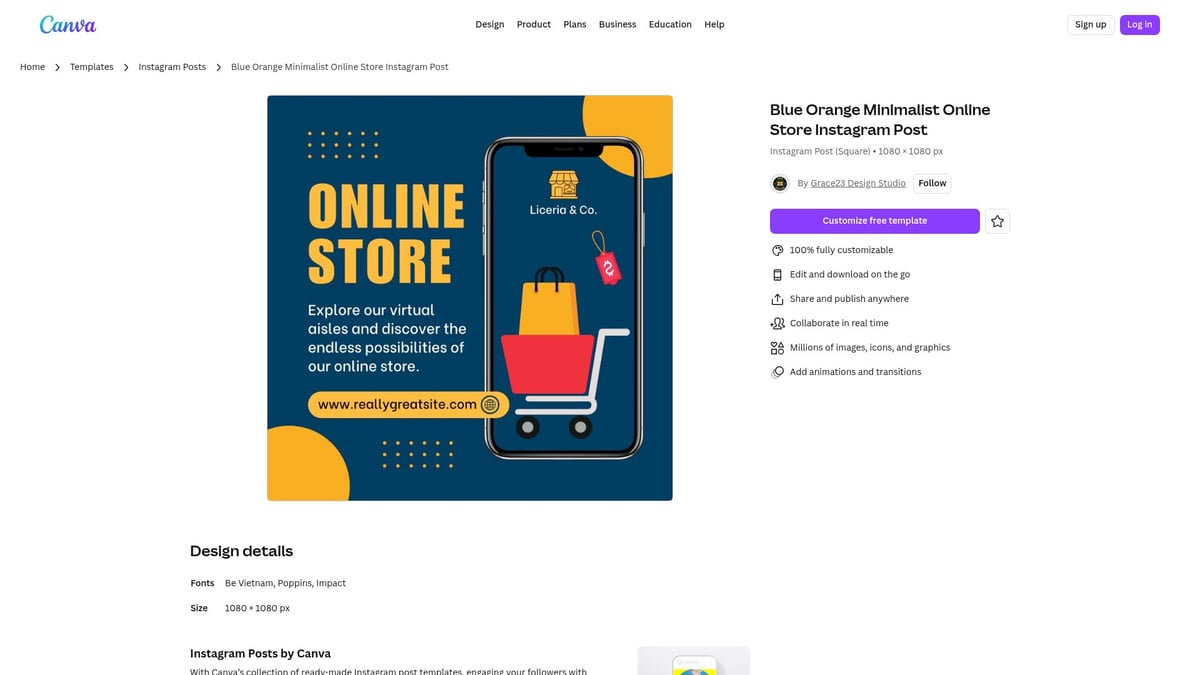
Features include optimal mobile adaptability and easy integration of product visuals. This shopping template is perfect for fashion, accessories, or lifestyle boutiques that want to showcase their new arrivals in a striking way.
Its assets include modernity, rapid customization, and excellent social engagement potential. It is a relevant choice for strengthening brand presence on social networks. Its main limitation lies in its ability to tell a long story, as the format is better suited for short messages. Instagram campaigns using this shopping template generally show interaction rates higher than the sector average.
Red Yellow and Blue Flat Shopping Presentation – Canva
This shopping template stands out for its dynamic presentation, ideal for creating interactive catalogs or immersive lookbooks. Fluid navigation, categorized sections, and the ability to integrate videos or 3D elements meet the expectations of brands seeking an immersive experience.
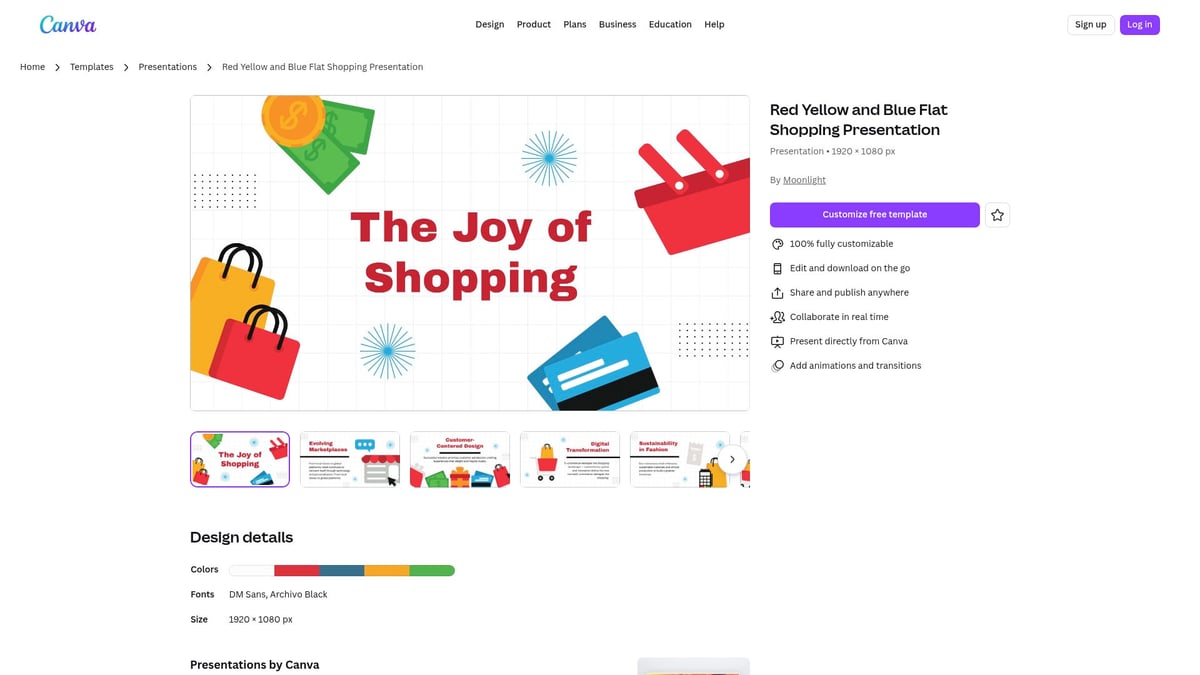
It is aimed at brands that wish to enhance product discovery and strengthen engagement through strong visual storytelling. The user experience is optimized thanks to the clear structure of the shopping template, which promotes brand memorability.
The main advantage lies in the ability to offer an interactive and stimulating purchasing journey. However, the success of this shopping template depends on the quality of the integrated visual content. Its free access via Canva makes it attractive for emerging brands. Statistics show that interactive lookbooks increase time spent on the site and encourage impulse purchases.
Pink Pastel Red Creative Illustrative Circle Online Shop Logo – Canva
Specially designed to develop visual identity, this shopping template emphasizes branding through advanced logo personalization. The pastel colors and creative illustrations offer a soft and recognizable image.
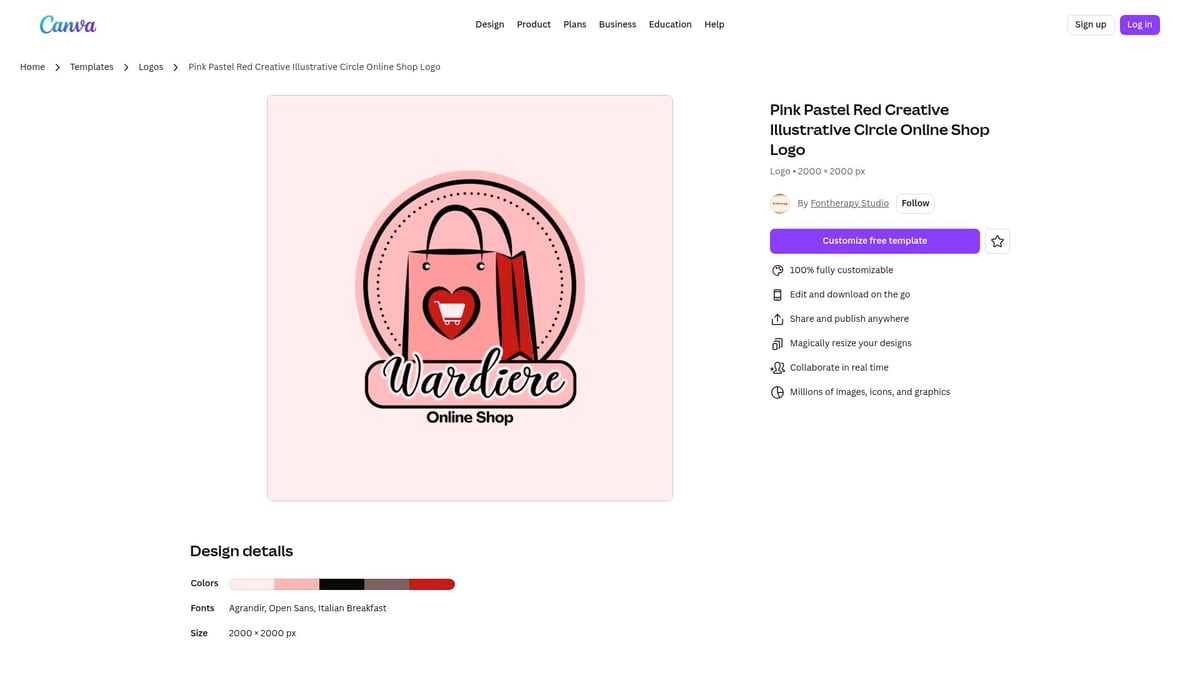
The strength of this shopping template lies in its ability to generate multi-support variations, ensuring brand consistency across all communication channels. It is particularly recommended for new brands, rebranding operations, or influencers wishing to strengthen their presence.
The main advantage is immediate differentiation, memorability, and multi-channel consistency. However, graphic adaptation for the rest of the site is necessary to ensure overall harmony. This shopping template is free on Canva and has already allowed many brands to stand out from the first contact, especially during collection launches or influencer campaigns.
Online Shopping Promotion with 3D Cart and Gradients – Canva
This futuristic shopping template incorporates 3D elements and gradient effects, perfectly aligning with the immersive design trend in 2026. It allows animating special offers and catching the eye with integratable animations.
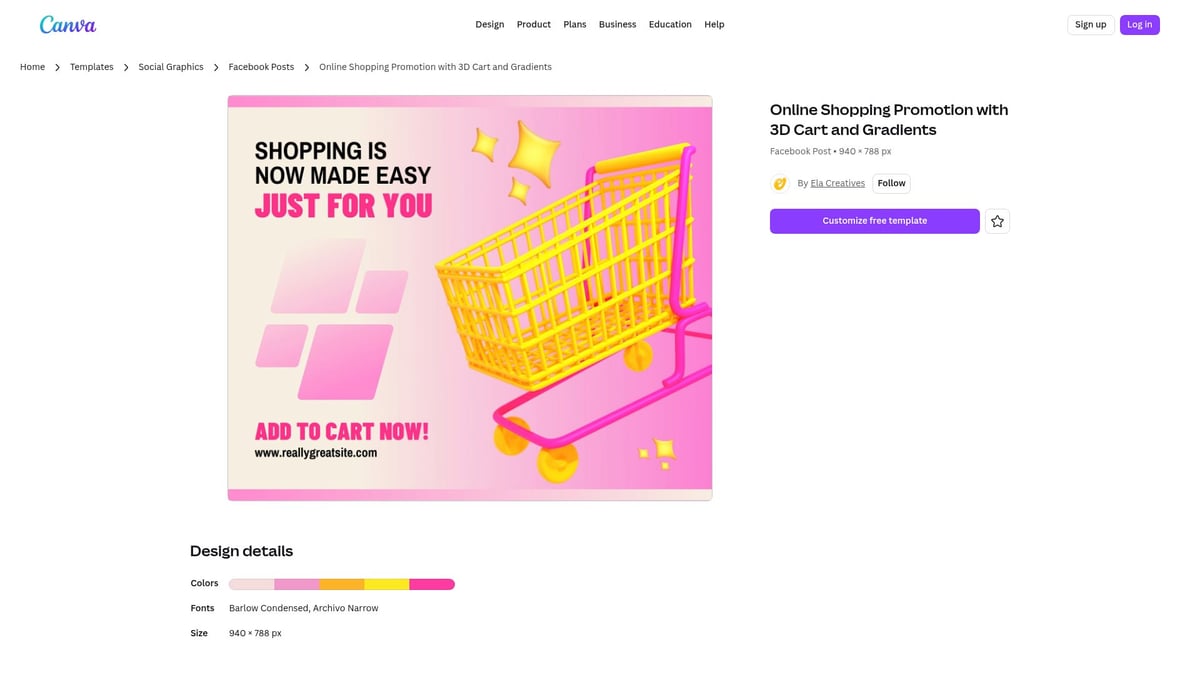
Its primary target audience includes tech and gaming stores, or those focused on product innovation. The "wow" effect generated by this shopping template fosters differentiation and a modern, engaging user experience.
Among the benefits, we note an increase in click-through rates and a perception of an innovative brand. However, it is important to optimize media to avoid slowing down site loading. This shopping template is available for free on Canva and has already allowed stores to double their click-through rates on promotions thanks to 3D and animation.
Black and White Minimalist New Arrival Fashion Instagram Post – Canva
This shopping template stands out for its clean black and white aesthetic, perfect for fashion brands wanting to highlight their new arrivals. The simplicity of the design enhances the elegance and readability of the presented collections.
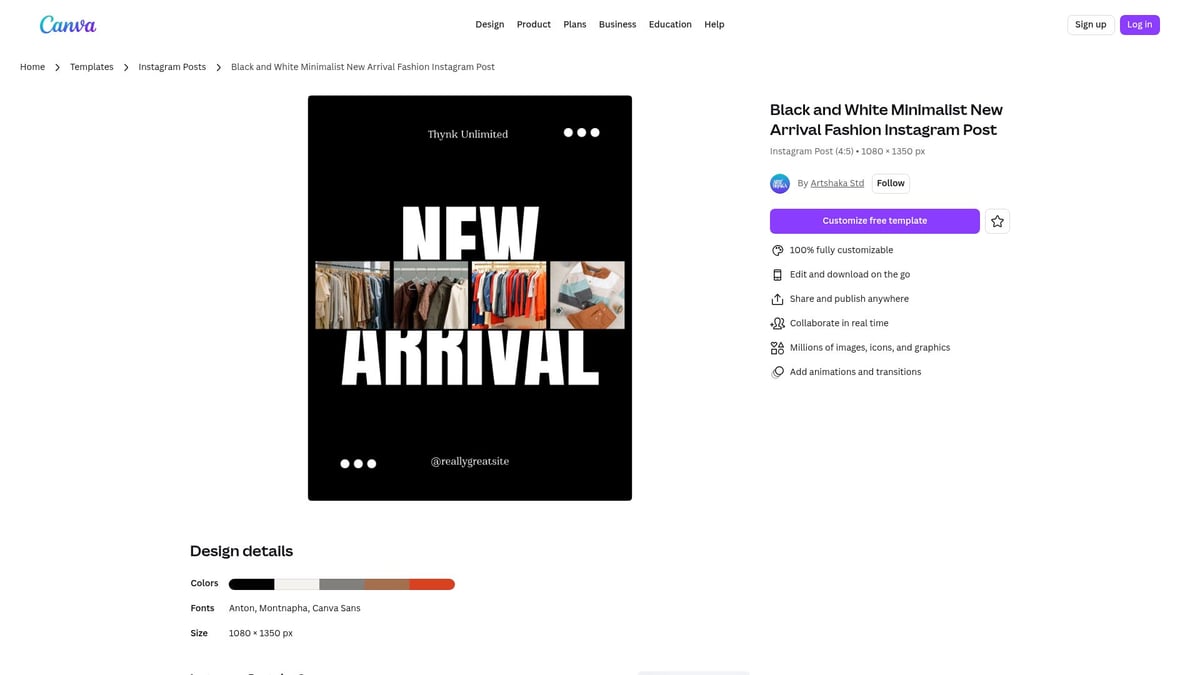
Features include effective product showcasing, immediate integration on Instagram, and quick publication. This shopping template is suitable for both capsule collections and regular new product launches.
Among the advantages are visual consistency, rapid deployment, and immediate impact on the audience. However, it is less suitable for very colorful or exuberant environments. This shopping template is free, and many ready-to-wear brands have adopted it to boost sales when new collections are released, benefiting from a novelty effect recognized in the fashion industry.
Pink Pastel Floral Scrapbook Feminine Vlog Haul Shopping Intro Video – Canva
This video shopping template is aimed at content creators, influencer-focused boutiques, or brands wishing to leverage the virality of vlog and haul formats. Its pastel and floral universe, combined with easy editing, allows for creating dynamic video intros for TikTok or Instagram.
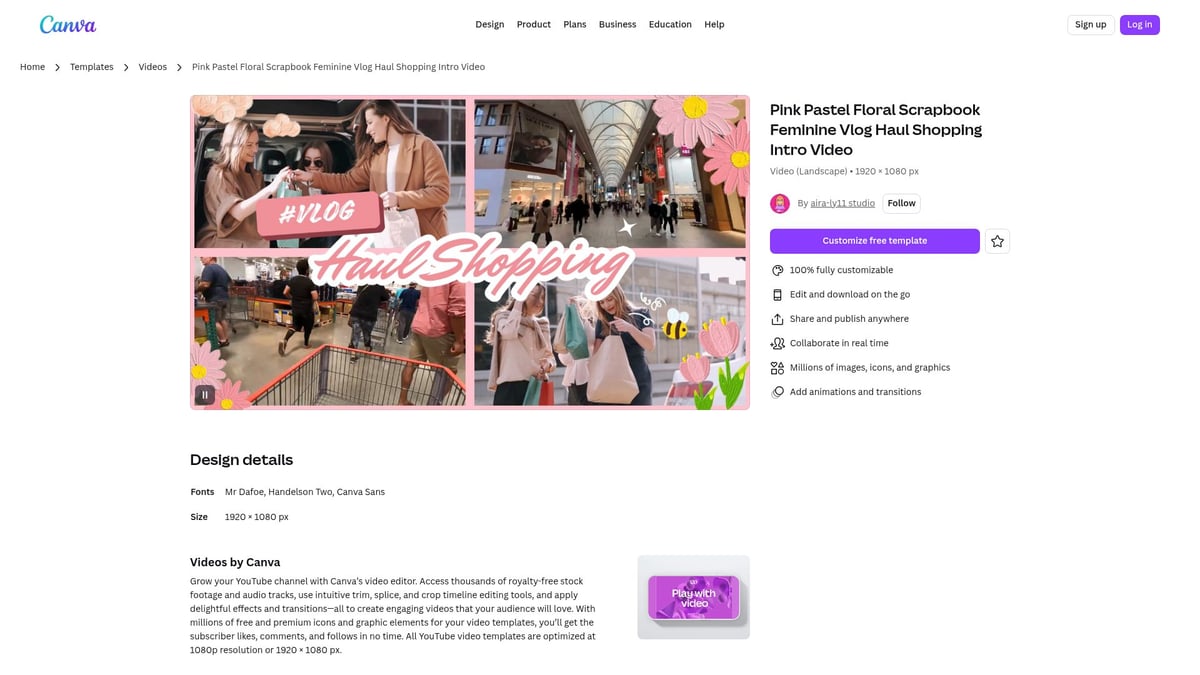
Features include music integration, visual effects, and quick content customization. This shopping template promotes dynamic storytelling, essential for capturing attention and generating virality on social networks.
Its main asset is the ability to tell a brand story in a few seconds, while humanizing the shopping experience. However, it requires basic video editing skills. This free shopping template on Canva has already inspired viral campaigns, particularly among fashion and beauty influencers, who use it to present their shopping selections and increase their engagement rate.
How to choose the ideal shopping template for your brand?
Choosing the right shopping template is a strategic step for any brand wishing to perform online in 2026. A suitable shopping template directly impacts the customer experience, the perception of your identity, and ultimately, your sales results. But how do you navigate through a plethora of models? Here are the essential criteria to consider for making the optimal choice.
Key criteria for selecting a shopping template
First and foremost, precisely define your brand identity and your target audience. A shopping template must reflect your values, appeal to your audience, and adapt to your sector. Also, analyze the size and structure of your product catalog. A niche business will not have the same needs as a large multi-category store.
Also, consider your business objectives: do you want to maximize conversion, build brand awareness, or strengthen customer loyalty? A high-performing shopping template must offer functionalities aligned with your priorities, such as dedicated spaces for customer reviews or personalization.
Here is a summary table of the criteria to examine:
| Criterion | Why is it important? |
|---|---|
| Brand identity | Visual consistency and memorability |
| Target audience | Adapting UX to buyer expectations |
| Product catalog | Fluid navigation, volume management |
| Business objectives | Conversion, loyalty, branding |
Best practices and pitfalls to avoid
Avoid visually cluttered or slow-loading templates, as they harm readability and increase bounce rates. Accessibility must remain a priority: an inclusive shopping template improves your brand image and expands your potential customer base. Don't neglect mobile compatibility, which has become essential with the dominance of mobile traffic in e-commerce.
An unsuitable shopping template choice can lead to a drop in conversions, a loss of trust, or a quick abandonment of the site. Pay close attention to the balance between aesthetics, functionality, and technical performance.
Testing and validating a shopping template before deployment
Before publishing your store, always test the shopping template on different devices and browsers. Analyze loading speed, clarity of the user journey, and effectiveness of calls-to-action. Use a test panel to gather objective feedback. A/B testing is invaluable for comparing multiple templates and measuring their impact on visitor behavior.
According to recent studies, a poor shopping template choice can increase bounce rates by 30% and halve conversions. It is therefore crucial to validate your model before any launch.
Tools, customization, and resources to stand out
To compare template performance, rely on analytics tools like Google Analytics or heatmaps. Also, solicit customer feedback to refine ergonomics. Customization remains a key differentiator in 2026: adapt colors, fonts, and features to match your brand's DNA.
If you're starting out or looking to redesign your site, it's wise to consult specialized resources. For example, for comprehensive support when creating your store, discover this detailed guide on how to create a Shopify store, which will help you select and customize your shopping template according to your needs.
Conclusion
In summary, choosing the ideal shopping template requires rigor, anticipation, and testing. Take the time to compare, customize, and validate your choice to ensure your brand a winning user experience in 2026.
Optimizing the performance and user experience of your shopping template
The performance of a shopping template directly influences the customer experience and revenue. A slow or difficult-to-navigate site drives visitors away, while a well-optimized shopping template retains attention and increases conversions. To achieve tangible results, it is essential to structure your optimization around four major axes.
Technical best practices and performance
Display speed is crucial for a shopping template in 2026. Start by compressing your images without sacrificing quality. Use lazy loading to load media only when the user views them. Clean code, without superfluous scripts, ensures smooth navigation.
Here are some recommended practices:
- Compress images with suitable tools (.webp or .avif)
- Use lazy loading on product galleries
- Limit the number of fonts and animations
To delve deeper into these actions, consult this detailed guide to optimize your Shopify store, which lists the best optimization practices after choosing a shopping template.
Mobile user experience and navigation
In 2026, the majority of online purchases are made via mobile. A shopping template must therefore offer a perfectly responsive experience. Every element must adapt to the screen size, and navigation must remain intuitive.
To achieve this:
- Prioritize simplified menus
- Ensure the size of buttons and the spacing of interactive elements
- Test the user journey on different devices
A mobile-friendly shopping template reduces bounce rates and promotes engagement. Remember to integrate an efficient search engine and clearly visible filters to speed up the purchase process.
Analysis, accessibility, and security
Monitoring the performance of your shopping template is essential. Integrate Google Analytics or heatmaps to understand visitor behavior. Accessibility must also be a priority: apply WCAG standards, offer text alternatives for images, and ensure sufficient contrast between text and background.
Regarding security, activate the HTTPS protocol and clearly inform users about the management of their personal data. A secure shopping template inspires confidence and limits cart abandonment.
Concrete optimizations and impact on revenue
Technical and UX optimizations of a shopping template translate into measurable gains. For example, a 1-second reduction in loading time can increase the conversion rate by 7%. Studies show that improving accessibility can expand the audience by 15 to 20%.
Here is a summary of the impacts:
| Optimization | Estimated gain on conversion |
|---|---|
| Fast loading | +7% |
| Accessibility | +15-20% audience |
| Mobile responsive | -30% bounce rate |
By investing in a high-performing shopping template, you maximize the user experience while strengthening your competitiveness in the digital market.
Mistakes to avoid when creating or customizing your shopping template
Creating or customizing an innovative shopping template requires careful attention to avoid common mistakes that harm the performance and image of your store.
Here are the main pitfalls to avoid:
- Forgetting mobile compatibility, which negatively impacts the user experience and reduces conversions.
- Overloading the design with too many visual elements, to the detriment of readability.
- Neglecting accessibility and inclusion, even though these criteria have become essential in 2026.
- Ignoring loading speed, a key factor in combating cart abandonment.
- Underestimating the role of consistent branding to reinforce memorability.
- Neglecting user testing, which can allow major flaws to go unnoticed.
A poor choice or inadequate customization of your shopping template can lead to an increased bounce rate and harm your reputation. To learn more about best practices for redesign, consult the Shopify Store Redesign.